






.webp)


















PRIMARY SCHOOL TUTOR OPTIONS
Choose between high-achieving graduates or qualified teachers
Academic Tutors
Professional Tutors
Who are our tutors?
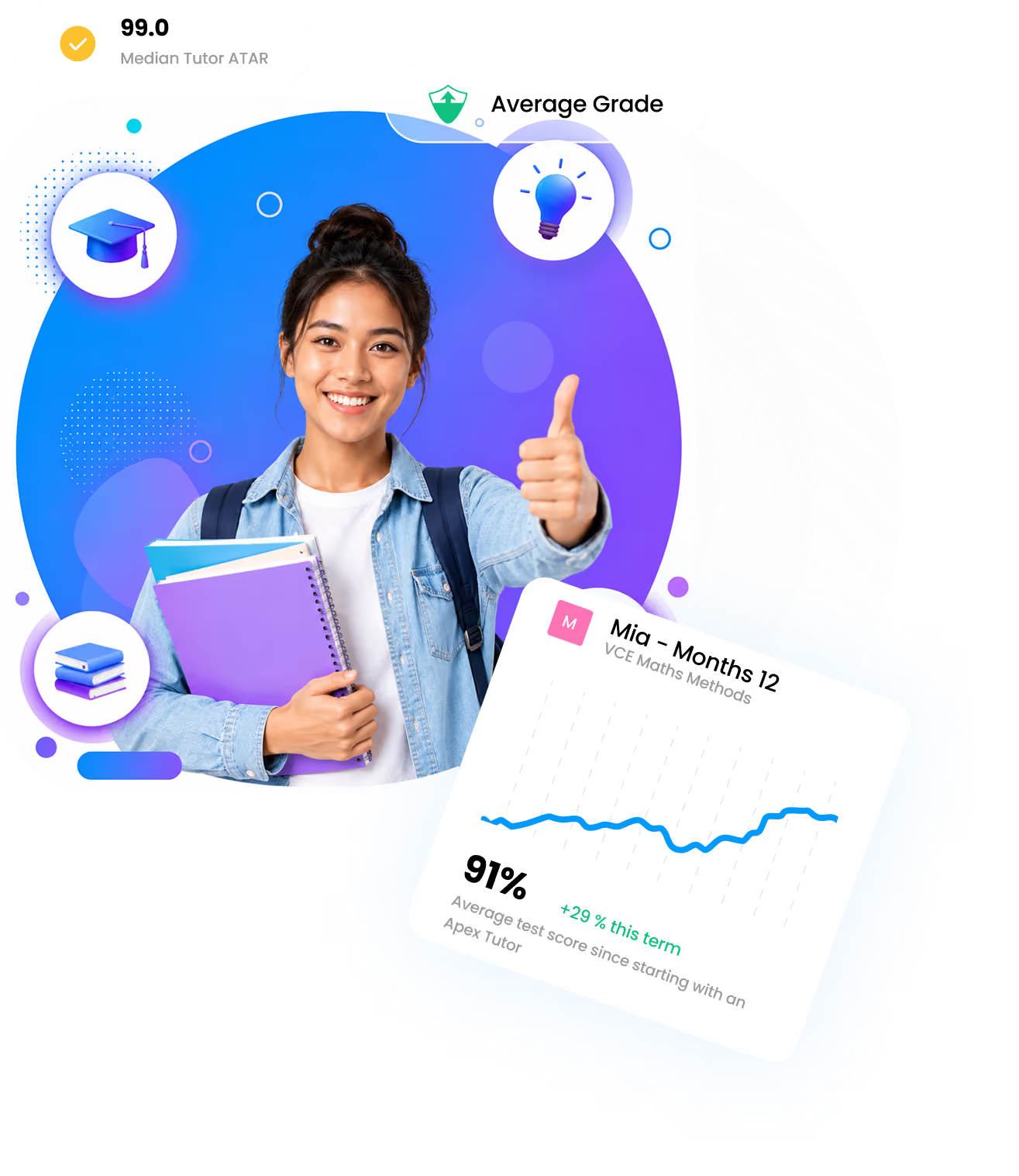
Recent high-school and university graduates with exceptionally high scores and excellent teaching skills
Current or retired qualified teachers with 10+ years experience AND our most accomplished tutors (>99.00 ATAR and 5+ years experience)
How do we select our tutors?
- We accept only the top 3% of tutor applicants.
- Each tutor is chosen for their academic results, teaching ability, and ability to connect with students.
- Each tutor is chosen for their academic results, teaching ability, and ability to connect with students.
- Dedicated recruitment team to source the best tutors and teachers in Australia
- Every tutor is assessed on their teaching expertise, subject knowledge, and ability to engage students.
- Every tutor is assessed on their teaching expertise, subject knowledge, and ability to engage students.
How do we match you with a tutor?
We use our bespoke matching algorithm to find you a tutor based on your preferences and location
Which option should you select?
- Relatable role model: work with a tutor who can better relate to students and provide guidance as they navigate school
- Better value: academic tutors offer high-quality support at our most accessible rate
- First-hand experience on how to succeed: our tutors all have done the same study as the students and know exactly what it takes to succeed
- Better value: academic tutors offer high-quality support at our most accessible rate
- First-hand experience on how to succeed: our tutors all have done the same study as the students and know exactly what it takes to succeed
- Quality assurance: trained and accredited teaching qualifications for curriculum in Australia
- Guaranteed track record of success: professional tutors have years of experience helping students maximise their grades in school
- Subject expertise: deep understanding of content and curriculum requirements
- Guaranteed track record of success: professional tutors have years of experience helping students maximise their grades in school
- Subject expertise: deep understanding of content and curriculum requirements
%20(1).webp)
Unsure which tutoring service offering is right for you? Check out our article where we break down the differences between the academic and professional tutoring services and share who should choose each service offering.


.webp.crdownload.webp)
.webp)
.webp)
.webp)
.webp)